Exclusive offers for discerning clients

Private Massage vs Spa: What High-End Clients Prefer
In the luxury wellness world, one question comes up again and again: private massage vs spa – what do high-end clients really prefer?
2/10/20265 min read

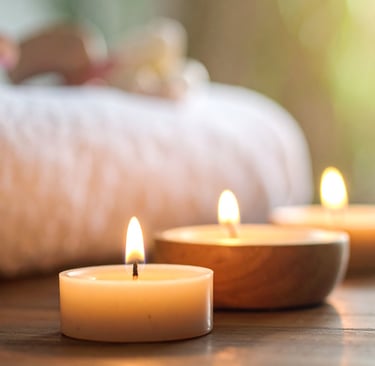
In the luxury wellness world, one question comes up again and again: private massage vs spa – what do high-end clients really prefer? Discerning guests today are not just buying a treatment; they are investing in an experience that matches their lifestyle, expectations, and desire for exclusivity. From entrepreneurs and CEOs to honeymooners and frequent travelers, the decision between a private, in-villa or at-home massage and a five-star spa visit is more strategic than it seems.
Understanding the differences between the two helps you position your services better and attract premium clients who value personalization, privacy, and seamless service.
What Defines a Private Massage Experience?
A private massage typically takes place in the client’s chosen environment: their home, villa, hotel suite, yacht, or even a private office. Instead of going to a spa, the therapist brings the entire experience to them.
Key characteristics of a high-end private massage:
Complete privacy and discretion: Ideal for clients who value anonymity, have a public profile, or simply don’t want to be seen in shared spa areas.
Environment control: The client decides on lighting, music, temperature, and even scent; everything is tailored to their personal comfort.
Ultra-personalized timing: Sessions are scheduled around the client’s agenda, not the other way around, often with flexible or last-minute bookings.
Bespoke treatment design: Techniques, pressure, and focus areas are adjusted in real time, with plenty of space for communication and customization.
For high-end clients, private massage is less about “just relaxing” and more about having a made-to-measure wellness ritual that fits seamlessly into their life.
What Makes a Luxury Spa Experience Unique?
A luxury spa, especially in five-star hotels or high-end wellness resorts, offers a more structured but immersive environment. Clients travel to the spa to enter a curated, sensory-rich space designed to help them disconnect from daily life.
Typical features of a high-end spa:
Atmosphere and design: Signature architecture, soothing lighting, aromatherapy in the air, and carefully selected music create an instantly relaxing mood.
Access to additional facilities: Saunas, steam rooms, thermal circuits, pools, relaxation lounges, and sometimes fitness and wellness programs.
Ritual-like experiences: Many spas offer treatment “journeys” that combine massages, scrubs, facials, and wellness rituals for a half or full day.
Service ecosystem: From spa reception to therapists and attendants, the client is guided through a polished, hospitality-driven experience.
For many, the spa is a destination in itself – a place to escape, unplug, and indulge in an environment they can’t replicate at home.
Private Massage vs Spa: Core Differences High-End Clients Notice
When comparing private massage vs spa, premium clients tend to evaluate more than just price. Their decision often revolves around a few key factors: control, time, convenience, and emotional experience.
Here are the core differences they feel most:
Control vs immersion
Private massage: Maximum control over the environment, schedule, and style of treatment.
Spa: Less control but deeper immersion in a professionally designed wellness space.
Time and logistics
Private massage: No commuting, no waiting rooms; perfect for tight schedules or multi-tasking lifestyles.
Spa: Requires travel time and planning, but can turn into a half-day “wellness escape”.
Privacy and anonymity
Private massage: Ideal for VIPs, public figures, or clients who value discretion above all.
Spa: High-end spas respect privacy, but shared spaces and other guests are part of the experience.
Experience depth
Private massage: Deeply customized, intimate, and tailored; the therapist’s full focus is on one person (or one couple).
Spa: Rich, multi-layered environment with rituals, facilities, and a sense of “being away from reality”.
What High-End Clients Usually Prefer
Preferences vary, but certain patterns appear consistently among luxury clients when choosing between private massage vs spa:
Ultra-busy professionals: Often prefer private massage because it saves time, fits around calls and meetings, and doesn’t require leaving their villa or home.
High-profile or security-conscious clients: Tend to choose private sessions for anonymity, reduced public exposure, and tailored security.
Couples on romantic getaways: May choose both – a spa visit for the experience and a private couples massage in their room or villa for extra intimacy.
Wellness-focused travelers: Often love luxury spas for their facilities, detox programs, and combined experiences (yoga, hydrotherapy, etc.).
In many cases, the highest-spending clients don’t choose one or the other – they combine private massage and spa experiences depending on their mood, schedule, and goal for that particular day.
Advantages of Private Massage for High-End Clients
If you’re targeting premium clients, understanding why private massage has become so attractive is key:
Hyper-convenience: The therapist travels; the client doesn’t. No traffic, no parking, no waiting.
High-perceived value: A therapist who comes to the villa or yacht feels exclusive and bespoke, even if the session price is similar to a spa.
Stronger relationship: Working with the same therapist regularly builds trust, making it easier to refine treatments over time.
Flexible customization: Sessions can be extended, combined with breathwork or stretching, or adapted to last-minute needs (jet lag, back pain, event stress).
For many high-end clients, this format aligns perfectly with their desire for discreet, efficient, and tailor-made wellness.
Advantages of Luxury Spas for High-End Clients
On the other side of the private massage vs spa debate, luxury spas still hold powerful appeal:
Emotional escape: The act of leaving home or the hotel room signals a shift into “me time”, helping clients disconnect mentally.
Holistic offering: Access to saunas, steam baths, cold plunges, and thermal circuits adds layers of benefit beyond massage alone.
Signature treatments: Many spas design exclusive rituals, seasonal programs, or branded protocols that clients can’t get anywhere else.
Social dimension: Friends, couples, or small groups may enjoy experiencing a spa day together, turning wellness into a shared memory.
For some, the spa becomes a symbol of self-care and luxury, not just a service they consume.
How to Position Your Offer for High-End Clients
If you work with premium or VIP clients, your messaging around private massage vs spa should emphasize clarity, choice, and the elevated nature of your service.
Consider:
Highlighting benefits beyond technique: privacy, flexibility, time-saving, personalization, and emotional impact.
Designing VIP packages: for example, “Private Villa Wellness Ritual” or “Executive Reset Session,” with clear outcomes (stress relief, deep sleep, recovery).
Offering hybrid collaborations: partnering with boutique hotels, villas, or spas to serve clients both on-site and off-site.
Communicating in a lifestyle-focused tone: speak to how your service fits into their day, not just what you do during the massage.
Remember: high-end clients don’t just pay for a massage – they pay for how it makes them feel, how easy it is to access, and how aligned it is with their identity and lifestyle.
Which Option Is “Best”?
There is no definitive “winner” in the private massage vs spa debate for high-end clients. The “best” choice depends on:
Their schedule and time pressure
Their need for privacy vs desire for a destination experience
Whether they are alone, with a partner, or with friends
Their goal: quick reset, deep therapeutic work, or full-day indulgence
The most successful luxury brands and therapists are the ones that understand these nuances and tailor their offer accordingly. When you speak directly to those needs, you don’t just sell a session – you become part of your client’s lifestyle.